What is Ecotherapy? Understanding the Research Behind Nature-Based Therapy
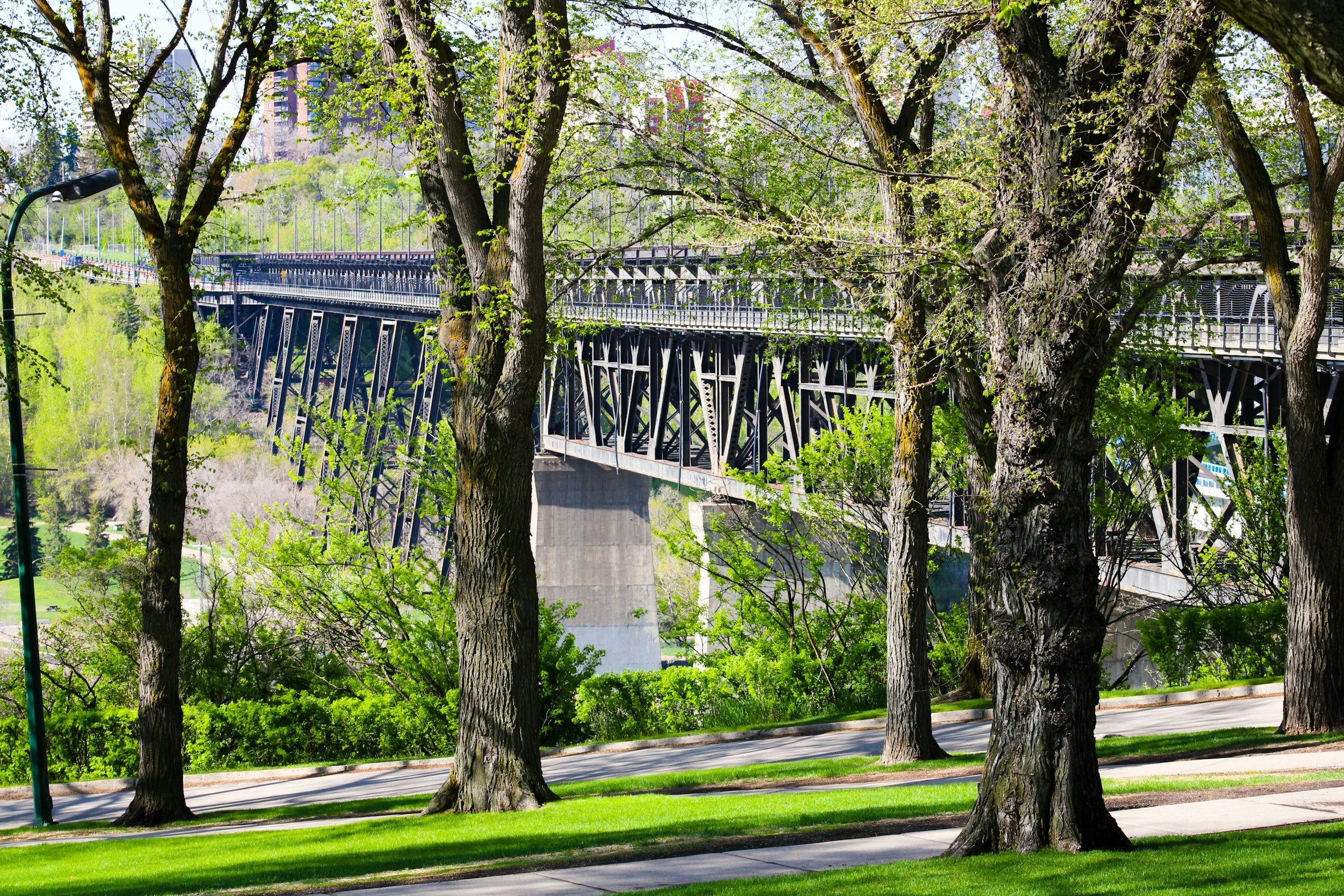
Have you noticed that after spending time in nature, you often feel more grounded, present, and energized? Research continues to show that being in the natural world can have a meaningful impact on our mental, emotional, and physical wellbeing.
What is Ecotherapy?
Ecotherapy is a broad term for therapeutic and wellness practices that help people connect with nature to support their mental, emotional, and physical wellbeing.
A foundational principle of Ecotherapy is that humans are a part of nature. We are not separate from the natural world. Our wellbeing is deeply connected to the relationships we have with ourselves, our community, and our environment.
Ecotherapy may help with a range of mental health concerns, including:
Anxiety
Depression
Post-Traumatic Stress Disorder + Trauma
Chronic Stress
Attention and Concentration Difficulties
In some studies, ecotherapy has been found to be as effective as cognitive behavioural therapy (CBT) for depression, with additional benefits for anxiety and emotional regulation (Rueff & Reese, 2023).
What Counts as Ecotherapy?
Ecotherapy involves any intentional contact with nature as a part of supporting mental and emotional wellbeing. This doesn’t mean you have to go out into the middle of nowhere and spend a weekend in the wilderness (although you absolutely can if you want to!).
Ecotherapy practices in and around Edmonton can look like:
Mindful Walks around Your Community’s Park - Putting your phone in your pocket for a few minutes as you mindfully connect with your 5 senses while moving through a local green space
Backyard, Balcony, or Community Gardening - Gardening is associated with improved mental health outcomes, such as decreased depression and anxiety and increased life satisfaction (Soga et al., 2017)
Using Kindling’s “PaRx Prescription” to Visit Elk Island National Park - More information about this below!
Joining the Edmonton Outdoor Club for an Urban Hike - Movement/Exercise that is completed outdoors has been found to be more enjoyable than the indoor equivalent (Peddie et al., 2024)
Going to “The Campfire” at Emberwood - 2SLGBTQ+ and Allies Quarterly Solitude Campfire + Ecotherapy Event
Backyard Birdwatching - In late May, I spent 10 minutes outside my Northside home and counted 6 different species of birds.
Even 5 minutes of intentional and mindful time outdoors can count as “ecotherapy.”
Why Nature Helps: What Researchers Think Might Be Happening
There is no single explanation for why ecotherapy works, but there are several theories that help to make sense of its benefits (Isham et al., 2025).
Stress Reduction
Natural environments may help calm the body and nervous system. A meta-analysis of 47 studies found that spending time in nature was associated with lower physiological stress compared to spending time in urban environments (Gaekwad et al., 2023).
Attention Restoration
Being in nature can give us a break from the constant demands and overstimulation of everyday life. It can also lead to a mental state called “soft fascination.” This occurs when something captures our interest, without being too mentally taxing. It is a gentle, effortless form of attention that gives our minds a chance to rest and recover. Think of watching a campfire or sitting by a creek and watching the water flow over rocks
Psychological Distance
Being in nature can create a sense of stepping away from daily pressures, allowing space to reflect and reset. Participants in Ecotherapy have noted that being in nature helps them disconnect from the unhealthy aspects of daily life while reconnecting with something meaningful or grounding.
Movement, Connection, and Engagement
Many ecotherapy activities include gentle physical activity, social interaction, and hands-on engagement - all of which support wellbeing. In addition, spending intentional time in nature may strengthen people’s relationship with the environment.
Ecotherapy and Environmental Wellbeing
One of the more unique aspects of ecotherapy is that it may benefit both people and the planet (Isham et al., 2025).
Researchers suggest ecotherapy can:
Increase our felt sense of connection to nature
Encourage more environmentally conscious behaviours
Support biodiversity through activities like gardening and conservation
This creates a broader “two-way” relationship: when we feel more connected to nature, we may feel more inspired to protect it.
Rooted in Research, Supported by Nature
Ecotherapy highlights something many people intuitively feel: being in nature can be deeply restorative.
While it may not be a replacement for traditional therapy, it may offer a powerful complement. Being in nature supports our mental health, strengthens social connection, and deepens our relationship with the natural world.
At Kindling, this aligns with a simple idea: healing doesn’t happen in isolation. Healing happens when we are connected to ourselves, other people, and connected to the natural world around us.
PaRx: A Prescription for Nature
As a registered PaRx provider, we are able to prescribe time in nature as part of your mental health and wellbeing care plan. PaRx is Canada’s national nature prescription program, built on growing research showing that spending time outdoors can support stress reduction, mood, anxiety, sleep, and overall wellbeing.
Depending on eligibility and availability, we may be able to prescribe a free Parks Canada Discovery Pass. This gives you year-long access to over 80 national parks, historic sites, and conservation areas across Canada.
Have you been to Elk Island National Park?
One of our favourite paths for a mindfulness walk is the Living Waters Boardwalk
Sometimes healing looks like therapy. Sometimes it also looks like fresh air, sunlight, movement, and reconnecting with the natural world around you.
References:
Gaekwad, J. S., Anahita Sal Moslehian, & Roös, P. B. (2023). A meta-analysis of physiological stress responses to natural environments: Biophilia and Stress Recovery Theory perspectives. Journal of Environmental Psychology, 90, 102085–102085. https://doi.org/10.1016/j.jenvp.2023.102085
Isham, A., Jefferies, L., Blackburn, J., Fisher, Z., & Kemp, A. H. (2025). Green healing: Ecotherapy as a transformative model of health and social care. Current Opinion in Psychology, 62, 102005. https://doi.org/10.1016/j.copsyc.2025.102005
Peddie, L., Vincent Gosselin Boucher, E. Jean Buckler, Noseworthy, M., Haight, B. L., Pratt, S., Boaz Injege, Koehle, M., Faulkner, G., & Puterman, E. (2024). Acute effects of outdoor versus indoor exercise: a systematic review and meta-analysis. Health Psychology Review, 1–31. https://doi.org/10.1080/17437199.2024.2383758
Rueff, M., & Reese, G. (2023). Depression and anxiety: A systematic review on comparing ecotherapy with cognitive behavioral therapy. Journal of Environmental Psychology, 90, 102097. https://doi.org/10.1016/j.jenvp.2023.102097
Soga, M., Gaston, K. J., & Yamaura, Y. (2017). Gardening is beneficial for health: A meta-analysis. Preventive Medicine Reports, 5(5), 92–99. https://doi.org/10.1016/j.pmedr.2016.11.007
White, M. P., Alcock, I., Grellier, J., Wheeler, B. W., Hartig, T., Warber, S. L., Bone, A., Depledge, M. H., & Fleming, L. E. (2019). Spending at Least 120 minutes a Week in Nature Is Associated with Good Health and Wellbeing. Scientific Reports, 9(1). https://doi.org/10.1038/s41598-019-44097-3